


Planning Educational Aquatic Facilities: Key Steps

Creating an aquatic facility for educational purposes requires careful planning and attention to detail. The process involves multiple stages, from initial concept to final construction and operation. Each step must be approached with clear objectives and practical considerations to ensure the facility meets the needs of its users and complies with safety and regulatory standards.
Understanding the Purpose and Scope of the Facility
Before any design or construction begins, it is essential to define the purpose of the aquatic facility. This includes identifying the primary users, the types of aquatic activities to be supported, and the expected capacity. For example, will the pool be used mainly for swimming lessons, competitive training, recreational swimming, or a combination of these?
Consider the following factors:
Age groups and skill levels of users
Types of aquatic programs (e.g., learn-to-swim, water polo, diving)
Accessibility requirements for people with disabilities
Seasonal usage and potential for year-round operation
Defining these parameters early helps guide decisions on pool size, depth, and additional features such as spectator seating or multi-use spaces.
Key Considerations in Planning Educational Aquatic Facilities
When planning educational aquatic facilities, several critical elements must be addressed to ensure functionality, safety, and sustainability.
Location and Site Selection
Choosing the right location is fundamental. The site should be easily accessible to the intended users and have adequate space for the pool, support facilities, parking, and future expansion. Consider environmental factors such as sunlight exposure, wind patterns, and drainage.
Pool Design and Specifications
The design must align with the facility’s purpose. For example:
A learn-to-swim pool may require shallow areas with gradual slopes.
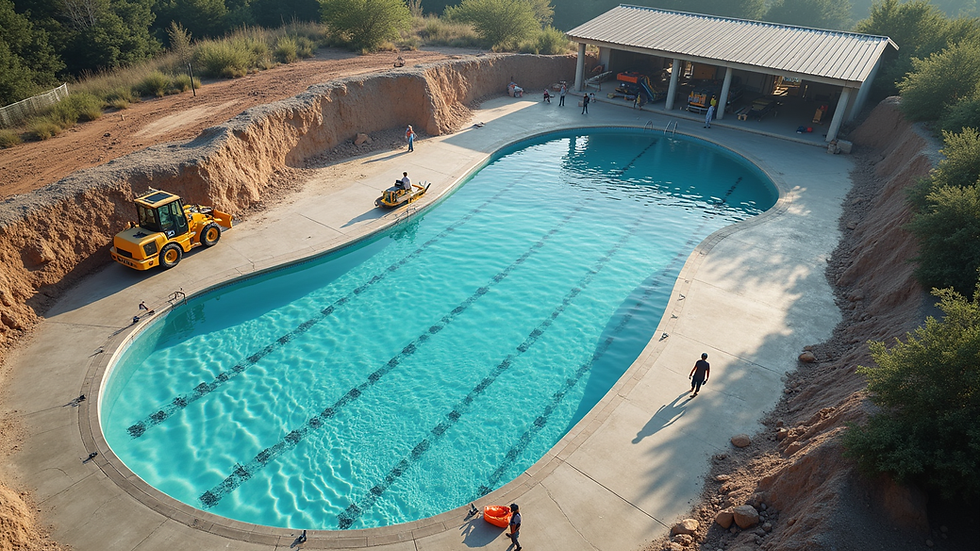
Competitive pools need standard dimensions and lane markings.
Diving facilities require deeper water and appropriate safety zones.
Materials and finishes should be durable and easy to maintain. Energy-efficient heating and filtration systems contribute to long-term operational savings.
Safety and Compliance
Safety is paramount in aquatic facilities. Compliance with local regulations and standards is mandatory. This includes:
Proper fencing and controlled access
Non-slip surfaces around the pool deck
Adequate lifeguard stations and emergency equipment
Clear signage and safety instructions
Regular risk assessments and staff training are also essential components of a safe aquatic environment.

Budgeting and Funding Strategies
Developing a realistic budget is a critical step in the planning process. Costs can vary widely depending on the size, complexity, and location of the facility. Key budget items include:
Design and architectural fees
Construction and materials
Pool equipment and technology
Staffing and training
Maintenance and operational expenses
Exploring funding options such as government grants, community partnerships, and sponsorships can help secure the necessary resources. It is advisable to include a contingency fund to cover unexpected costs.
Engaging Stakeholders and Experts
Successful aquatic facility projects involve collaboration among various stakeholders. Engage with:
Architects and engineers specializing in aquatic design
Local authorities and regulatory bodies
Coaches and trainers who will use the facility
Community representatives and potential users
Their input ensures the facility meets practical needs and complies with all requirements. Regular communication throughout the project helps manage expectations and resolve issues promptly.
Operational Planning and Maintenance
Once the facility is built, effective operation and maintenance are crucial for longevity and user satisfaction. Develop clear policies and procedures covering:
Pool water quality monitoring and treatment
Equipment maintenance schedules
Staff roles and training programs
Scheduling and booking systems for users
Emergency response plans
Investing in staff development and ongoing training ensures high standards of safety and service.
Final Thoughts on Planning Educational Aquatic Facilities
Planning an aquatic facility for educational use is a complex but rewarding endeavour. By following a structured approach that addresses purpose, design, safety, budgeting, stakeholder engagement, and operations, it is possible to create a facility that supports diverse aquatic activities and promotes water safety and skill development.
For those involved in school aquatic facility planning, taking the time to carefully consider each step will result in a successful project that benefits users for years to come.


Comments